The Gap Between "Denied" and "Overturned" Is the Real Story

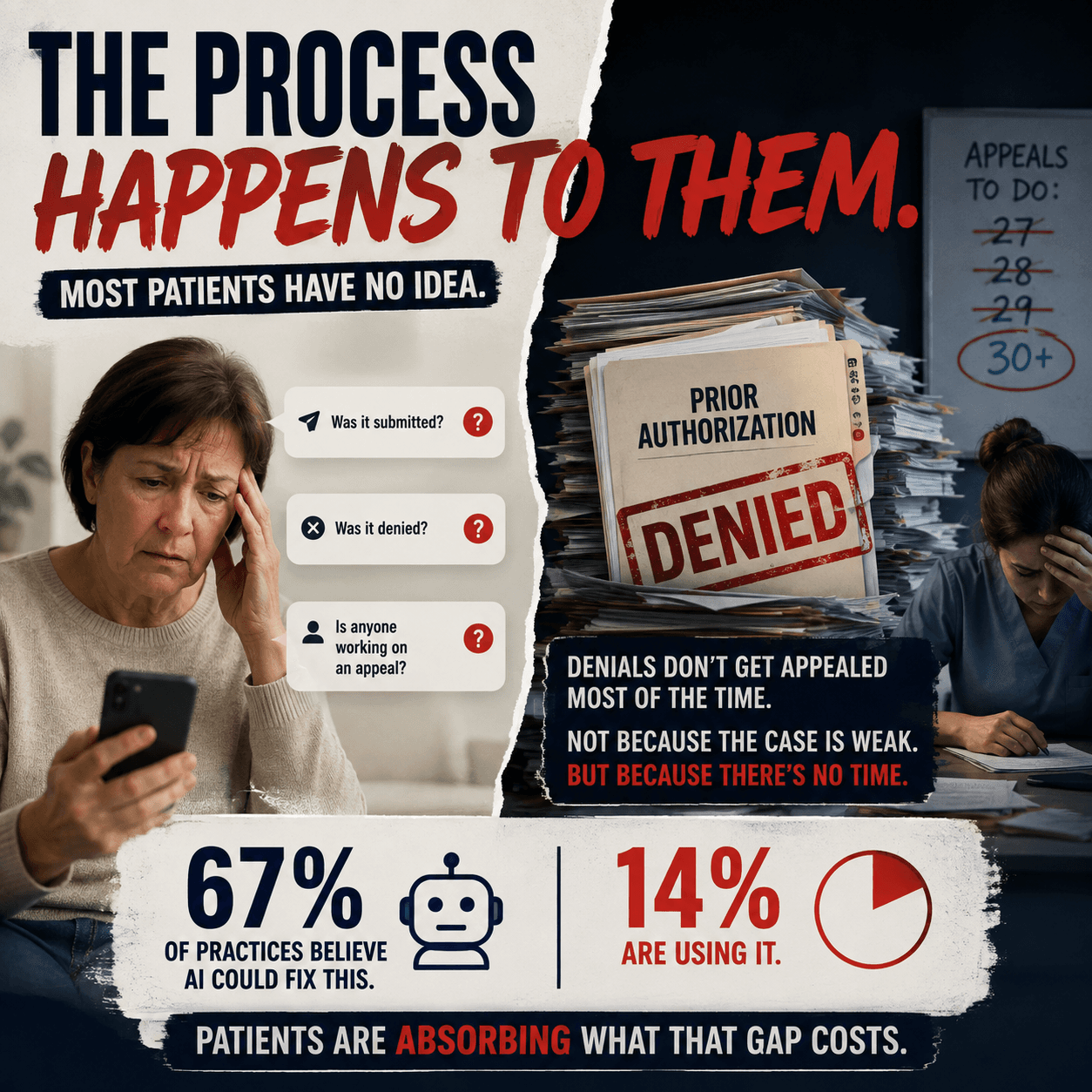
80%+ overturn rate on appeal. Almost nobody appeals.
I think about that gap constantly, because I don't think it's really a story about AI versus doctors. I think it's a system betting that most practices won't bother fighting back — and winning that bet by default, not by being right more often.
The number that reframed this for me
61% of physicians now believe AI is making prior authorization denials more frequent, not less. I don't think that's paranoia. I think it's an accurate read of an incentive structure most people haven't bothered to name out loud.
Here's the mechanism, as plainly as I can put it: an AI-generated denial costs an insurer almost nothing to issue. A human-reviewed appeal costs a physician's staff real time — drafting a letter, gathering documentation, sometimes sitting on hold for a peer-to-peer call. If overturn rates on appeal are high but appeal rates stay low, the math still works out in the insurer's favor even when the initial denial was wrong more often than not.
That's not a conspiracy theory. It's just what the incentives actually reward, and I think it's the single most useful thing to understand if you're trying to figure out why this keeps getting worse instead of better.
Why I think the "AI vs. doctors" framing misses the point
It's tempting to frame this as a technology story — smarter algorithms, faster denials, doctors falling behind. I don't think that's the real shape of it. The technology is almost beside the point. What matters is that someone built a system where the cost of being wrong is nearly zero for one side and real for the other, and then let volume do the rest.
An algorithm doesn't need to be right to win. It just needs the other side to not show up. Right now, on most denials, the other side doesn't show up — not because the case was weak, but because appealing costs time nobody has spare.
The part I think gets underestimated
Here's what convinces me this is winnable, not just frustrating: when practices actually do appeal, the overturn rate is above 80% in the data I've looked at closely. That's not a marginal edge. That's a strong signal that the initial denial is frequently wrong, and that the system is functioning as designed only because so few people push back on it.
If the overturn rate were low, I'd read this differently — I'd assume the denials were mostly correct and the complaints were mostly noise. It's the combination of high overturn rates and low appeal rates that tells the real story: this isn't a merit contest. It's an endurance contest, and one side is much better rested than the other.
What's changed this year, and why it matters more than people realize
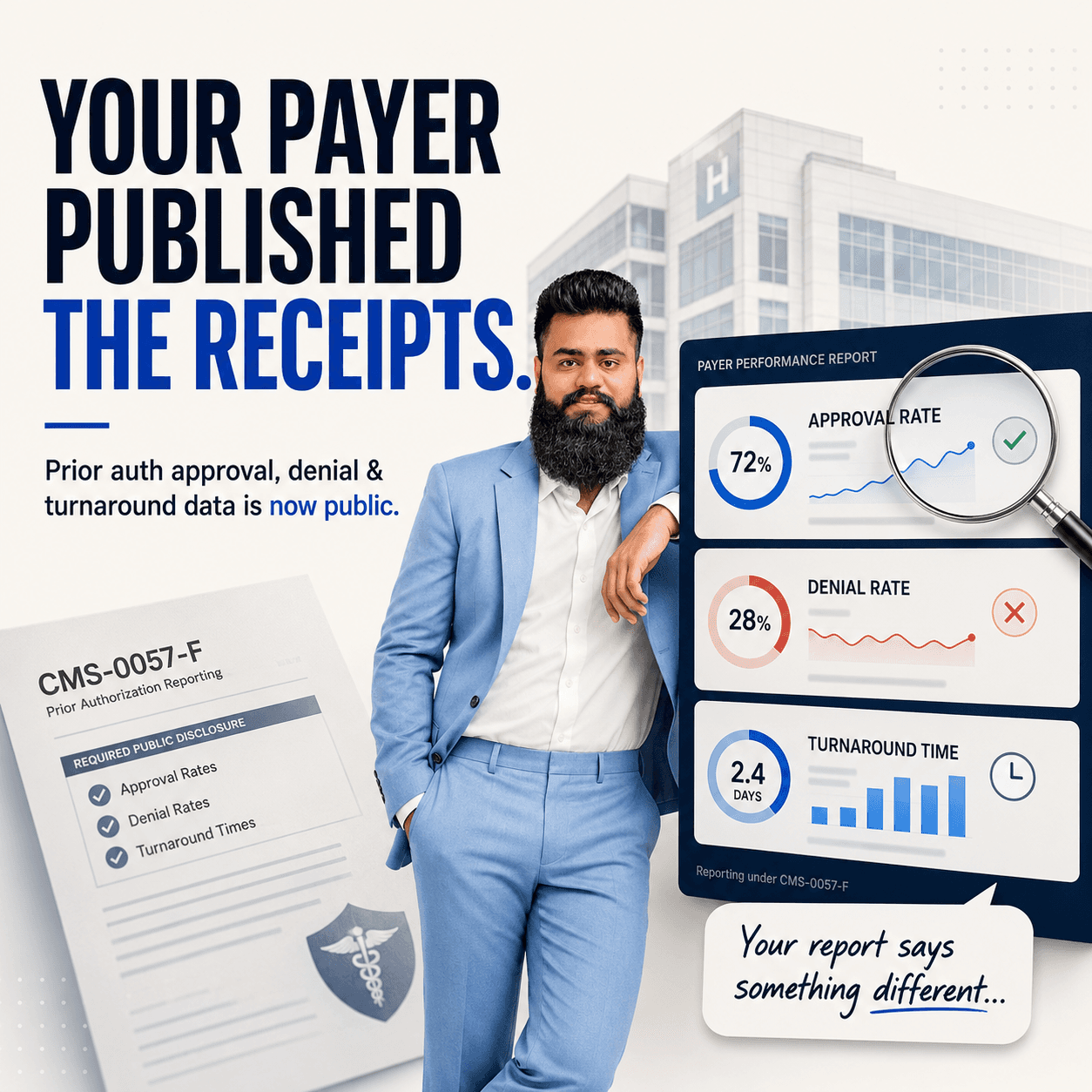
Two regulatory shifts landed in 2026 that I think are underappreciated. Standard prior authorization decisions now have to come back within 7 calendar days, down from 14, and expedited requests within 72 hours, under CMS's Interoperability and Prior Authorization Final Rule. Separately, payers are now required to publicly report their approval and denial rates alongside average turnaround times.
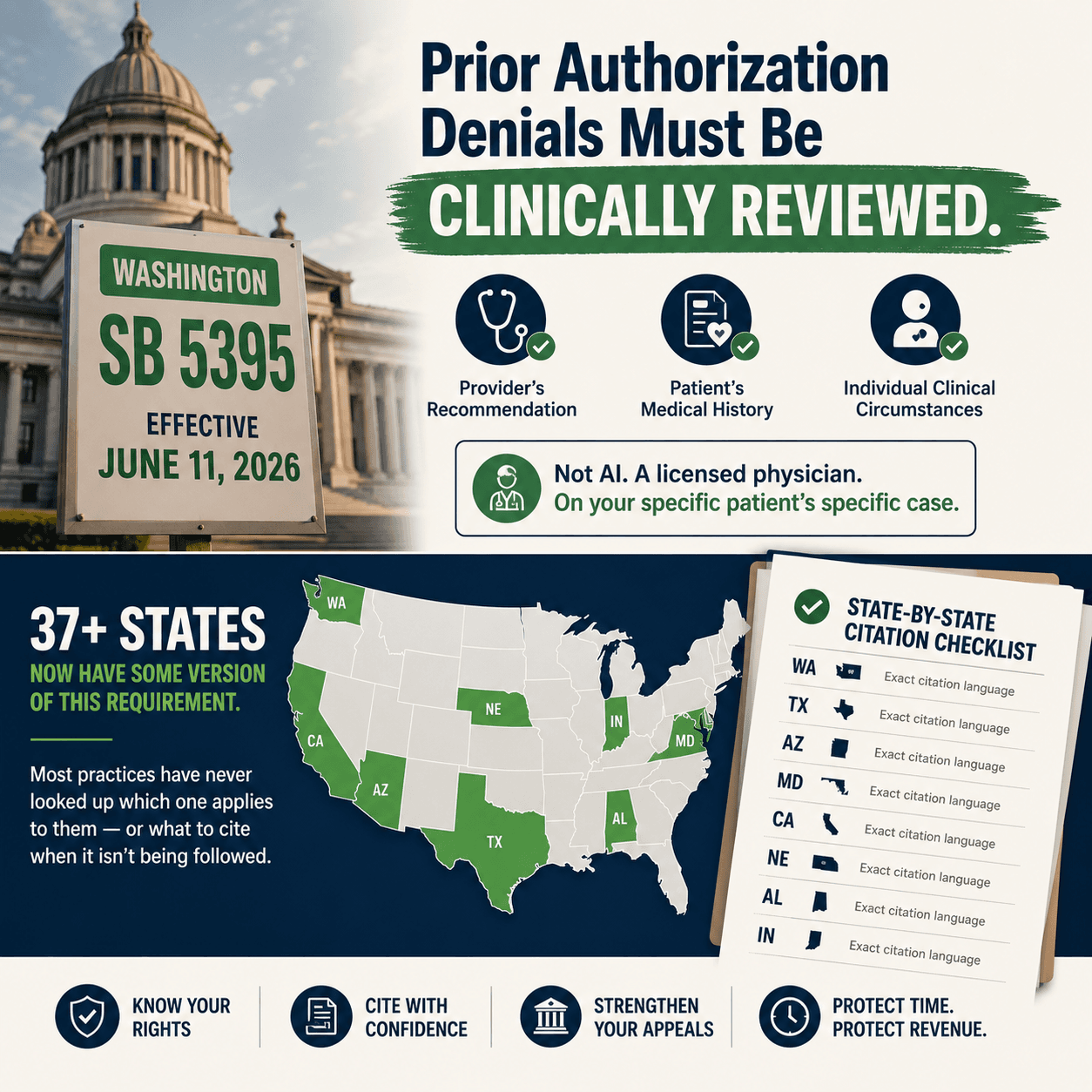
Neither of these fixes AI-driven denials directly. But together, they hand practices something that didn't exist a couple of years ago: a documented deadline and a public paper trail. I think most practices don't know either exists yet, and closing that awareness gap is worth more right now than almost any other single action available to them.
What I'd actually do differently, if I were running a practice today
Don't treat a fast denial as a stronger denial. If anything, unusual speed is a reason to look closer, not a reason to assume it was thorough.
Ask for the specific reason behind every denial, in writing, every time — not just the outcome.
Cite the payer's own published criteria back at them, point by point, instead of arguing medical necessity in general terms. Of everything I've looked at, this single change correlates with the biggest jump in overturn rates.
Track your top payers' actual turnaround times against the new federal deadlines. A payer missing them consistently is a documented pattern, not just something to feel frustrated about.
Where I land on this
Payer AI isn't going away, and I don't think it's going to get gentler on its own — nothing in the incentive structure points that direction. What I do think is that the gap between "denied" and "overturned" is the actual opportunity here, and it's bigger than most practices have registered.
That gap is the reason I built Asaanbil — not to argue with a payer's clinical standards, but to make sure a practice's own correct judgment gets documented well enough, and often enough, to hold up when it's challenged. asaanbil.com (https://asaanbil.com)
Comments (0)
Sign in to like or comment.
No comments yet.